

Companies in the frozen food, pet food, and towel and tissue industries who haven't yet "gone green" are lagging behind their more forward-thinking competitors in the area of sustainable packaging. With multiple options for more sustainable packaging—including recyclable and biodegradable packaging—how can you be certain which is better for your product, your consumers, and the environment?
Sustainable Packaging Option: Recyclable Packaging
Technically speaking, all packaging is recyclable, however, the recyclability of a given package is entirely dependent on whether or not a resell market exists for the materials that are left when the product reaches end-of-life. Such a market does exist for many materials that packaging tends to be made out of. The main complicating factor is that most packaging is made out of two or more materials, and it's often too difficult or expensive to separate those materials to recycle them (consider the ease of separating the plastic and paper that make up a cereal box vs. the laminated layers of a flexible package).
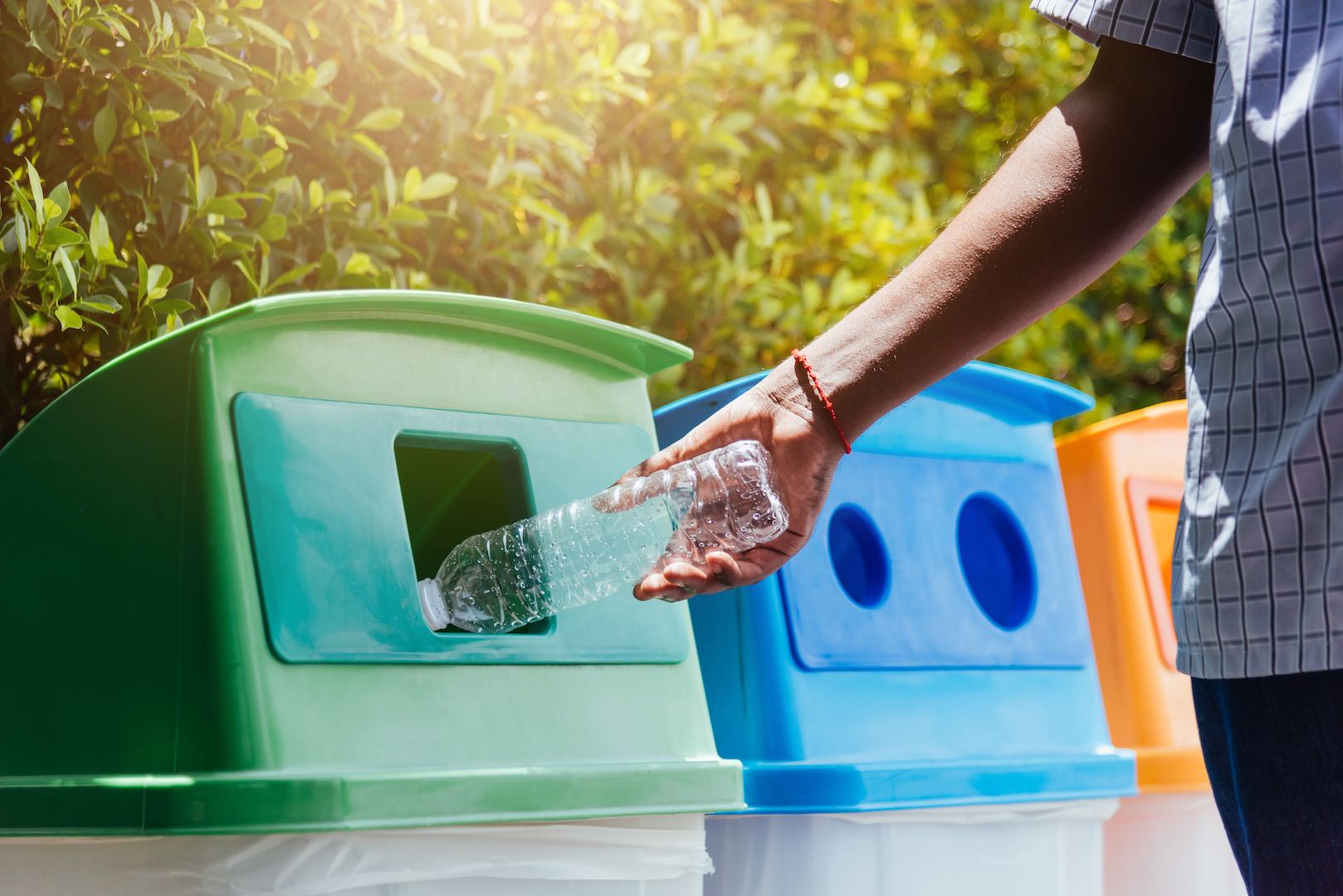
The champion of the sustainable packaging movement, however, is still the recyclable package. Recyclable packaging is easy for consumers to understand, recycling facilities are becoming more commonplace everywhere from urban centres to rural communities, and it requires the least energy expenditure—when other sustainable packaging options reach end-of-life and cannot be reused, net new materials must be created to replace them.
Still, the materials separation problem persists—if flexible packaging materials can't be easily separated, they can't be easily recycled. On the other hand, if the packaging materials can be easily separated, it's often an indicator of a flexible package with poor ink protection and barrier control.
To combat this problem—quality vs. sustainability of a flexible package—we developed SmartLam™, which is a high-performance, fully recyclable family of films.
Sustainable Packaging Option: Bio-Based Packaging
"Bio-Based" simply refers to any natural material that re-create the performance of regular polyethylene or resin.
We produce two Bio-Based resin options - derived from sugarcane or starch. Sugarcane resin is also known as green polyethylene, while the starch-based option can be combined with more traditional materials to reduce the amount of plastic within the product.
Our Bio-Based films can be used to create any of our packaging options, tailored to exactly what you have in mind.
Sustainable Packaging (Bonus) Option: Compostable Packaging
Compostable packaging may be the ultimate solution to the sustainable packaging problem. Like biodegradable packaging, compostable packaging breaks down into individual components: water, CO2, biomass, and inorganic compounds. Composting leaves behind no visible residue.
There are two reasons compostable packaging isn't more commonplace today: first, not all municipalities offer composting facilities (although many are catching up), and second, compostable films tend to be more costly than other sustainable packaging options. As technology improves, composting facilities expand, and more consumers demand sustainable packaging options, the cost of compostable film will decrease as it did (and continues to do) for recyclable films.
Our R&D department has developed compostable films that still offer premium performance and product protection. Talk to Project Central about our innovative compostable packaging technology.
Sustainable Packaging & Your Product
The answer to "which sustainable packaging option is best?" is wholly dependent on how it will be used, who will be using it, and where your consumer market is located.
Many producers choose recyclable packaging as their sustainable packaging option of choice because it's easy to understand, relatively inexpensive to produce, and consumes less energy throughout its lifecycle than other options.
However, as consumer understanding of sustainable packaging options evolves and facilities to handle compostable and other forms of biodegradable packaging become more widespread, we may see a shift in this trend in the near future.
Whatever your plan for increased package sustainability in the future, consumers expect that sustainability be prioritized at each stage of the supply chain.
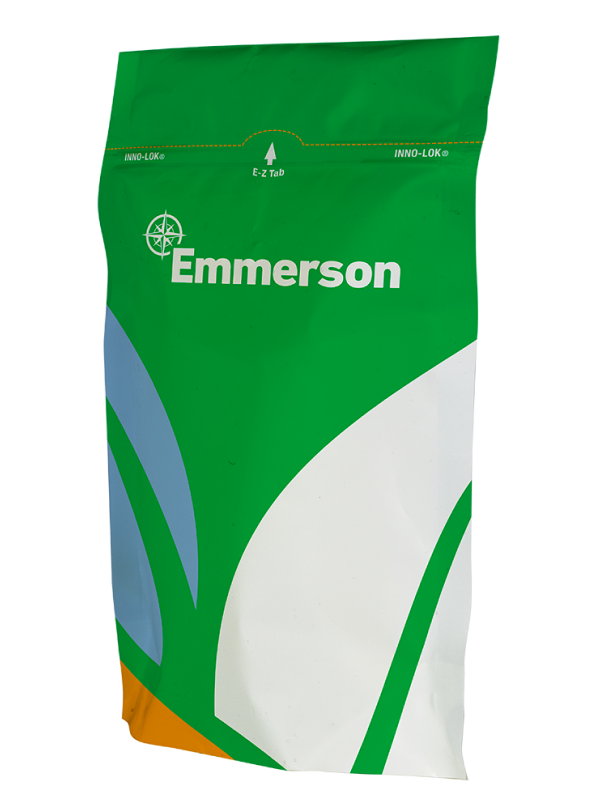
Over the past two decades, Emmerson Packaging has reduced our water usage by 92%, electricity usage by over 33%, and Co2 by 43%, while developing new and innovative sustainable packaging options like SmartLam™ and Bio-Based Resins.
We can help you adopt sustainable practices, too.
Start a conversation with Emmerson Packaging's Customer Service about a customized sustainable packaging solution for your product.