


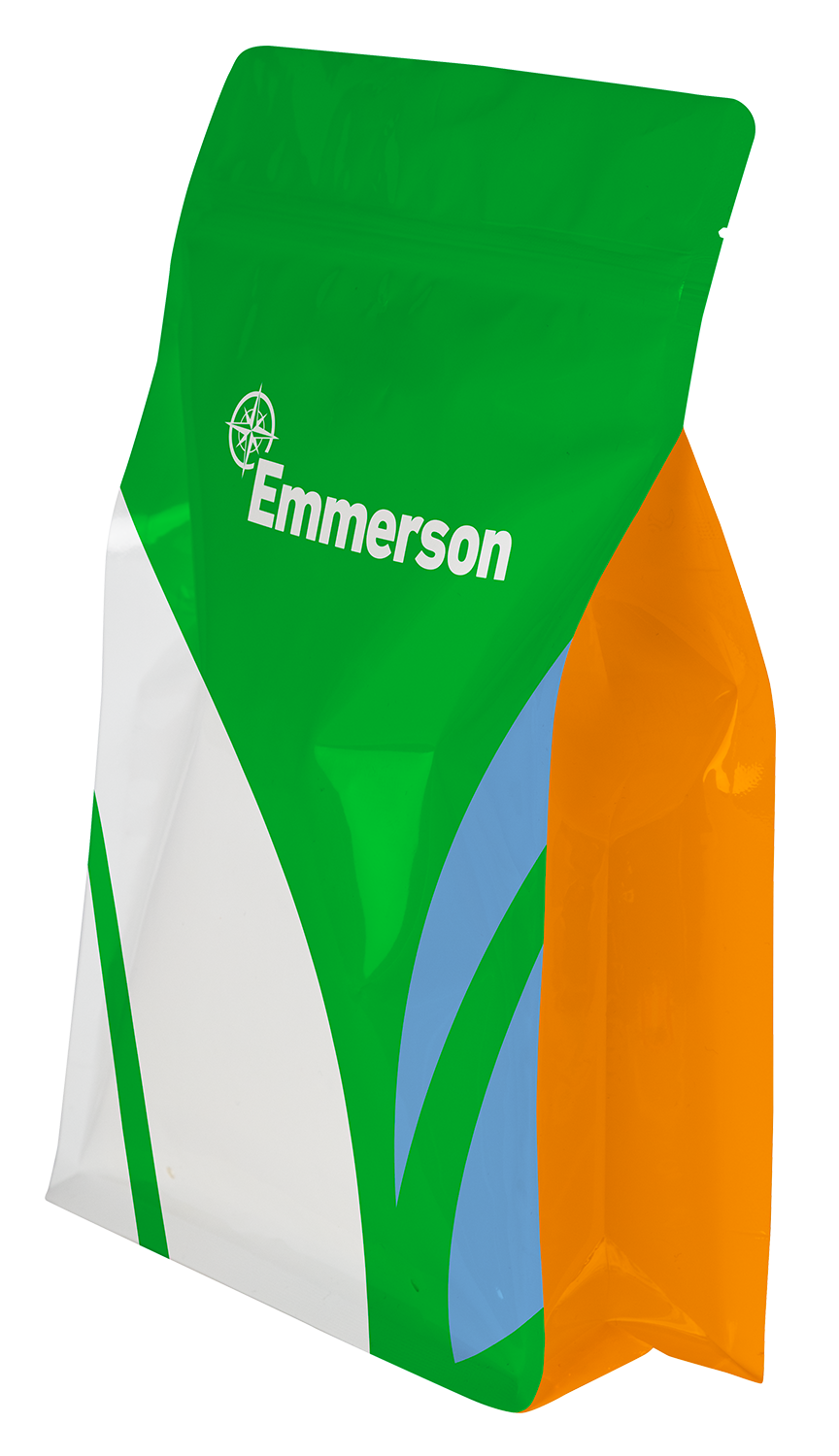
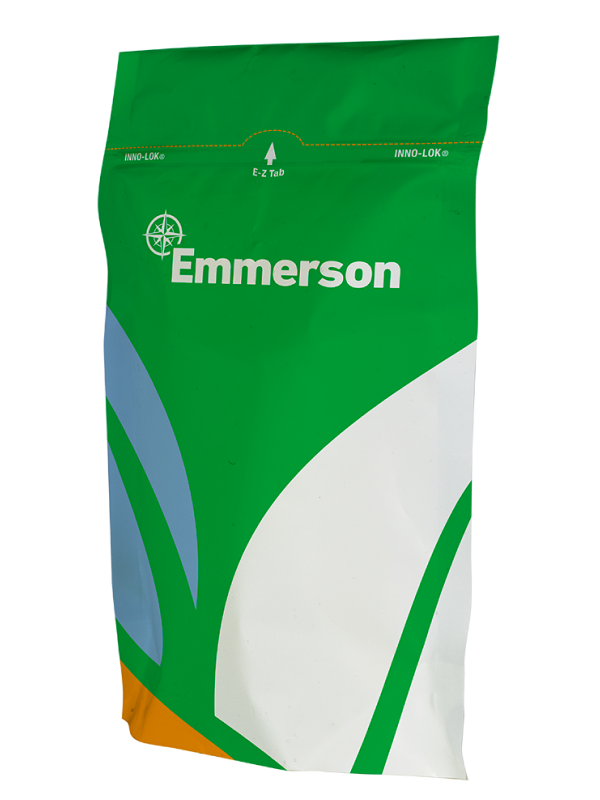
Conventional Film Packaging Materials - Polypropylene & Polyethylene
Barrier-ready conventional films designed for snack packaging, frozen applications, and everyday food packaging solutions across North America.
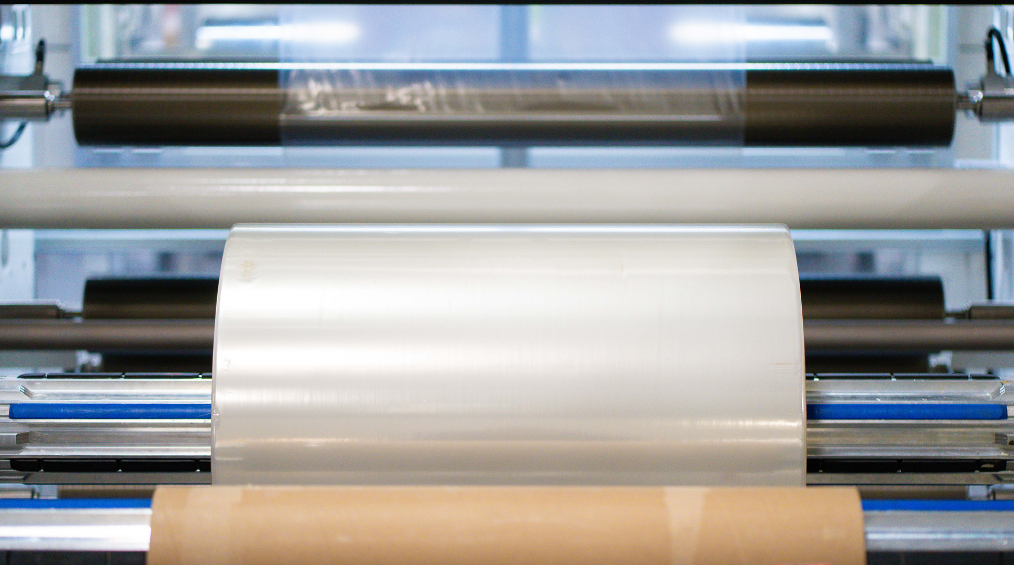
Conventional films are flexible packaging materials engineered for reliable seal performance, barrier protection, durability and line efficiency. Emmerson Packaging offers polyethylene film, polypropylene, PET/PE laminated film, metallized and specialty film structures for snack packaging, frozen food packaging, pantry products and other demanding applications across Canada and the U.S.

Conventional PE films
Polyethylene (PE) films can be used as surface prints or as sealants within laminates. PE is a cost-efficient material known for its impressive moisture barrier, puncture resistance, low seal initiation temperature (SIT) and recyclability.


Conventional laminates
Laminates combine two or more layers of film together to add support and durability as well as a high-quality feel consumers love. Additional layers can be added to add extra barrier protection, heat resistance and more.
PE/PET Laminates
PET/PE laminates are known for their tear strength, durability and heat resistance. This type of laminate is made by combining a thin layer of Polyester film to the outside layer of Polyethylene.
Microwaveable laminates
Our MicroPak™ laminates are specially designed to be food-safe, withstand heat and deal with higher protein contents, sauces, and other additives in ready-to-cook products.
Metallized laminates
Metallized films are added to provide extra barrier protection from light and oxygen. Customers tend to find metallic packaging eye-catching and often associate it with freshness and higher quality standards.

Specialty conventional films
Specialty films can be used to add unique properties to packaging.
Polypropylene
Polypropylene is commonly used in bakery items.
Polyamide (Nylon)
Better known by brand name Nylon, Polyamide is known for its high aroma barrier and puncture resistance. It’s commonly used in boil-in-bags and packaging for meats, cheeses, sauces, yogurts and more.
Aluminum Oxide
Commonly used in snacks and food packaging, Aluminum Oxide has the same barrier protection as metallized film but is fully transparent. This allows customers to see your product through a clear window in the exterior.
When Are Conventional Films the Better Choice?
Conventional films can be the better choice when product protection, barrier performance, sealing reliability, heat resistance, or production efficiency cannot yet be achieved with a recycle-ready structure. The right option depends on your product, filling process, shelf-life requirements, distribution conditions, and sustainability goals.
| Conventional, Non-Recyclable Films May Be a Better Fit If: | Recycle-Ready Films May Be a Better Fit If: |
|---|---|
| You need high oxygen, moisture, or aroma barrier performance to protect shelf life and product quality. | Your packaging goals prioritize recyclability or material circularity. |
| Your application requires strong seal performance or consistent machinability on high-speed packaging lines. | Your product can maintain the required barrier, seal, and durability performance in a recycle-ready structure. |
| Your product needs added puncture resistance, heat resistance, or durability during distribution. | You are working toward retailer, corporate, or sustainability targets related to recycle-ready packaging. |
| You are packaging products such as snacks, frozen foods, pantry products, meats, cheeses, sauces, or ready-to-cook foods with demanding performance requirements. | You want to reduce reliance on mixed-material structures where a compatible recycle-ready alternative is technically viable. |
| A recycle-ready structure cannot yet meet the technical requirements of your product or packing process. | You are evaluating sustainable film options without compromising the core performance requirements of the package. |
Not sure which film structure is right for your product?
Share your product type, filling process, barrier requirements and sustainability goals. Our team can help determine whether a conventional or sustainable film structure is the better fit.
Request a Film Recommendation
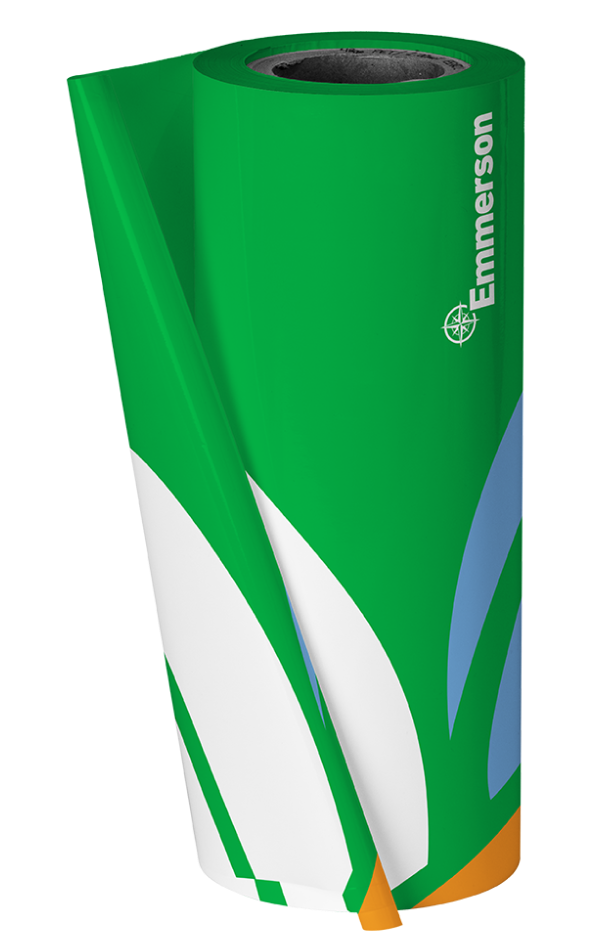
Conventional materials are available in a range of formats. Explore premade pouches, rollstock and added resealable closures.
Reduce your environmental impact with sustainable materials.
Recycle-Ready
Supporting a circular economy, including recycling is a major priority across the US and Canada. Meeting these targets starts with having a recycle-ready package. We'll make sure yours is.
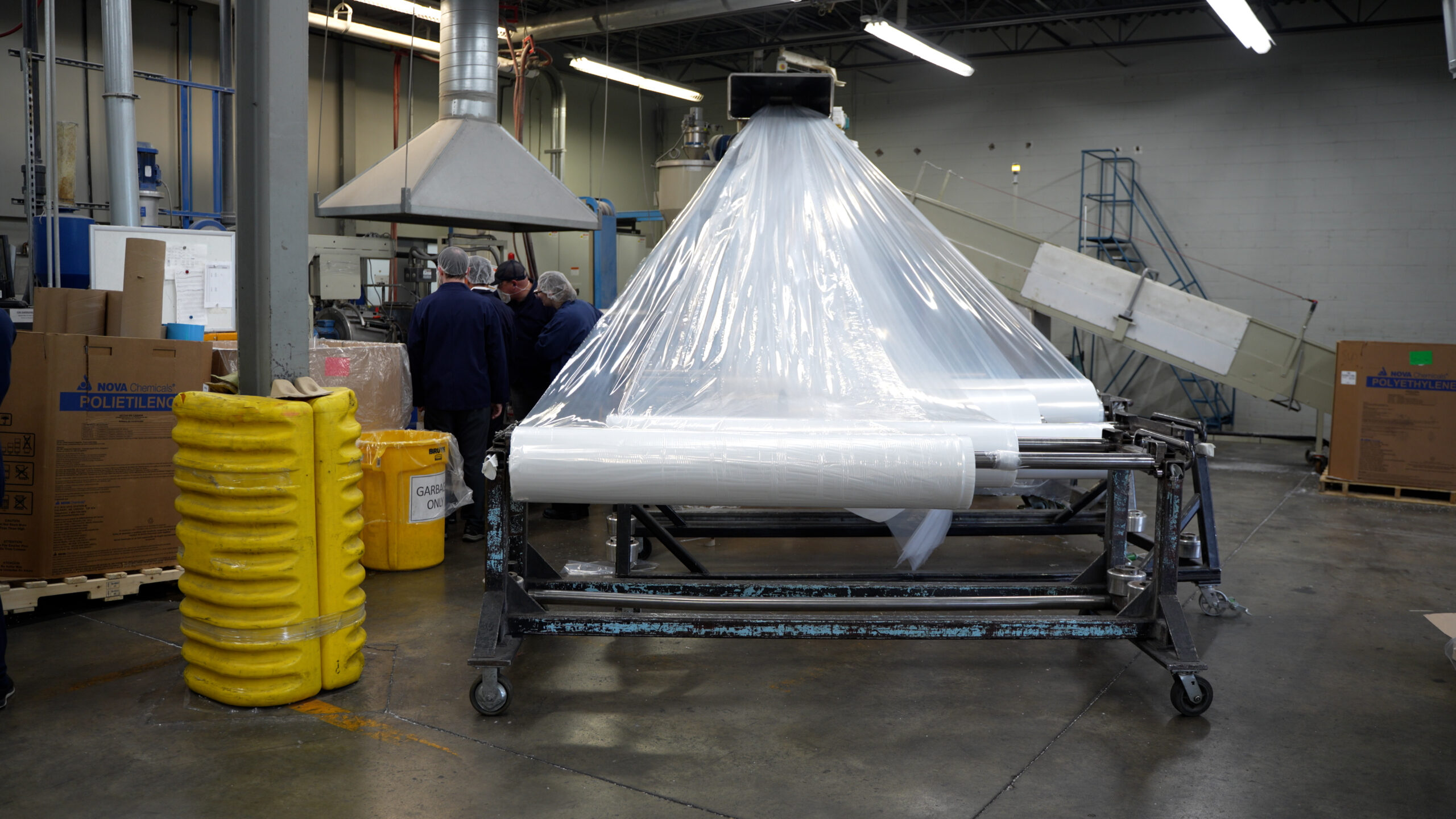
Post-Industrial Resin (PIR)
Governments and major brands are legislating using more PCR in consumer packaging. We’ll help you meet this growing demand while maintaining high-quality graphics and performance.
Post-Consumer Resin (PCR)
Just like PCR, PIR packaging replaces virgin materials but at an even better price point and a higher quality standard.
Bio-Based
Reduce your brand’s environmental impact with bio-based materials. By using renewable sources like potato or rice starch, you can limit the use of fossil-fuels in the manufacturing process.
Learn more about our story, sustainable solutions and project support.

Sustainable films
We’ll help you reach your environmental goals by adding recycled-content or bio-based resins to your packaging.
View sustainable films

Launch and ongoing support
We’ll guide and support you through every stage of your packaging journey – from concept to completion.
See how we support

About Emmerson
For nearly 70 years, we’ve helped brands stand out in the retail market. Learn more about our history, our mission and our commitment to sustainability.
About Us
Go green with our support.
As sustainability leaders, we’ve been pioneering green solutions since 2000. Get cost-effective sustainable packaging that connects with consumers – backed by our proven record of reducing your supply chain’s environmental footprint.

33%
Electricity
42%
CO²
92%
Water
*2021 Sustainability Impact Report


Frequently asked questions
-
What is your on-time delivery rate?
We boast a 98+% on-time delivery rate. We’re so confident in our ability to deliver your project on time, we offer a rock-solid New Product Launch Guarantee. If you miss a launch date and it’s our fault, we’ll pay a penalty fee!
-
How can I understand the best packaging options to meet my goals?
We have Research and Development and Graphics teams that will work with you to understand and provide technical expertise, along with concept and design support to ensure that your goals are met. Complete our contact us form to coordinate a meeting today!
-
Does Emmerson Packaging offer sustainable packaging options?
Yes, we have been working with sustainable packaging since 2009. In partnership with our clients, our R&D department works to develop innovative and sustainable packaging options that are recyclable, compostable, and/or biodegradable, while remaining dedicated to our own internal sustainability initiatives.
-
Do you make your own plates?
Yes, we make our own plates in-house using an ESKO HD workflow.
-
Do you do digital printing?
Emmerson Packaging does not currently offer digital printing. As a flexible packaging manufacturer that focuses on pet food and frozen food, we feel that conventional flexographic printing is still the best solution for our customers, given their existing volumes and service requirements. We are actively exploring digital technologies and will deploy them when we feel they can meet our customers’ needs for quality and cost competitiveness.
-
What sets Emmerson Packaging apart from other manufacturers in terms of sustainability?
- We have been producing sustainable, recycle-ready stand-up pouches since 2019
- We offer a team of dedicated sustainable packaging R&D experts to ensure that you can meet your packaging goals.
- Beyond packaging innovations, our manufacturing facilities have long concentrated on sustainability initiatives, and we are SQF level 2 Certified.
- We were the first flexographic printer in North America to adopt ISO 14001 in order to guide the creation of our environmental management system.
- We were also the first Sustainable Green Printer (SGP) in Canada and the 6th in the US.
- Our products are peanut free – and we have complete product traceability!
-
What do I need to know about PCR?
- PCR materials come from plastic products that have been recycled, collected, cleaned, reprocessed into PCR resin, and then made into something new. An example of products that are used to create PCR resin would be HDPE, milk jugs.
- PCR provides excellent packaging sustainability benefits, but they may impact print quality and/or film consistency. If the package is a lamination of two substrates, the PCR can be added to the substrate that is not being printed, and the print will not be compromised. However, if the specification is one substrate and not laminated, the PCR film may impact the graphics. One of the compromises of PCR is the presence of gels or unmelts which are areas that do not melt uniformly. They will show up as small hard spots. These gels will affect print as the ink will pool around the hard spots.
- Emmerson Packaging offers 15 – 25% content. Although 100% PCR packaging is available, the resin does not melt uniformly. As a result, there can be unmelts and gels present, which are small un-melted areas in the sealant film. To minimize this impact, we advise limiting the amount of PCR in the product.