



Welcome to the fifth installment in our special blog series celebrating 70 incredible years of Emmerson Packaging’s history! If you are just joining our journey, you have arrived at a moment of massive transformation.
The story of Emmerson Packaging is a rich tale of constant evolution, bold decisions, and seizing major opportunities—even in the face of deep uncertainty. By the late 1960s and early 1970s, Poly Cello—the business that would eventually become the Emmerson Packaging we know today—was growing rapidly. With this rapid growth came complex challenges that would thoroughly test the company’s resilience and ingenuity. What followed was a series of transformative events that would completely redefine our future and set us on a direct path to becoming a recognized leader in the flexible packaging industry.
Early Manufacturing and Strategic Shifts
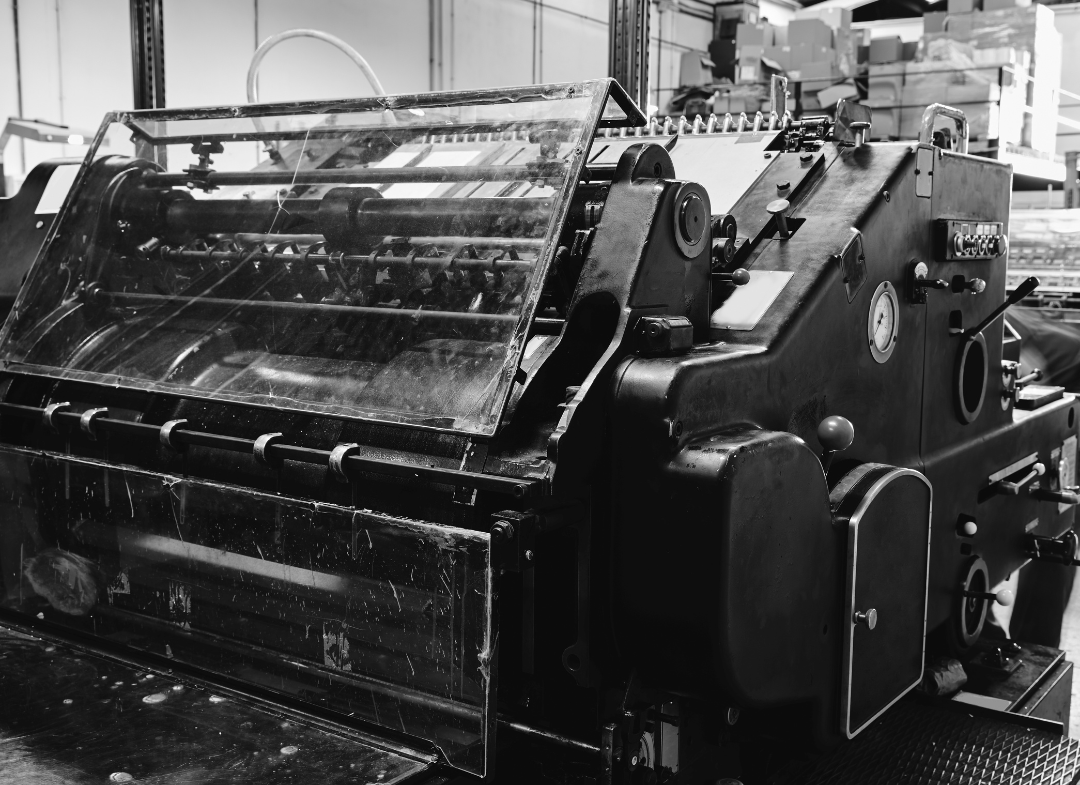
Poly Cello’s journey into serious manufacturing began with its very first press, a four-colour stack press. This vital piece of machinery had been instrumental in the company’s early days. In the 1960s, the company sold this press to an international partner based overseas. In exchange for shares and a minority equity position, Poly Cello also provided hands-on training to help the overseas company operate the machinery effectively.
Unfortunately, the international venture did not yield the expected returns. By 1970, Poly Cello made the pragmatic decision to sell back its shares and refocus on domestic growth. Although the financial outcome was modest, this move proved to be a strategic win, freeing the company to concentrate all its energy and resources on expanding at home.
Around the exact same time, a critical opportunity arose. A portion of Poly Cello shares, previously held by a direct competitor, suddenly became available. These shares gave that rival company access to certain financial information about Poly Cello, including our net annual growth in shareholder equity. While this data was minimal, it was still far too much insight for comfort. Acquiring these shares back became an absolute top priority. The company successfully repurchased the shares and regained full control, completely eliminating the risk of a competitor having any window into our internal operations.
Expanding the Physical Footprint
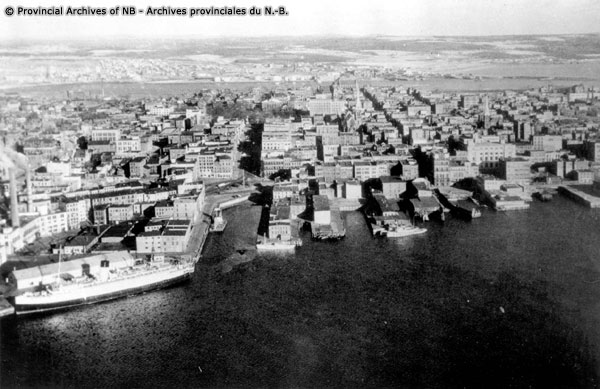
As Poly Cello continued to experience rapid growth, available space and plant layout became highly pressing issues. The team knew they needed to optimize their environment to keep up with demand. With the expert help of an external industrial engineer, the company completely reconfigured its Saint John facility.
The team cleverly vacated the main floor and mezzanine, opting to expand heavy operations down into the basement. These extensive renovations added a brand-new marshalling and shipping area, bringing the total building size to a highly functional 81,000 square feet. With vastly improved productivity and plenty of room to grow, Poly Cello was ready to take on exciting new challenges.
Taking Complete Control of Film Production
During this busy period, John Emmerson recognized the critical need for Poly Cello to have its own dedicated film manufacturing capabilities. In 1973, he successfully persuaded Harley Thompson, a highly experienced plant superintendent from our main supplier, to join the Poly Cello team. Little did John know, a monumental opportunity to venture into film production was just around the corner.
In October 1973, a senior representative from our sole film supplier delivered some startling news. Due to severe market cutbacks in raw ethylene supplies, they were forced to heavily reduce their film production and completely close their extrusion operations in Saint John.
Initially, this felt like a major blow. However, the supplier offered to sell its extrusion equipment directly to Poly Cello, along with transitioning its highly trained operators to our team. There was only one catch: Poly Cello needed to secure a brand-new resin supplier immediately to keep the newly acquired plant running.
Finding a reliable resin supplier proved incredibly difficult. Major industry producers simply were not taking on any new customers during this volatile time. After an exhaustive and stressful search, John finally found an independent materials broker who agreed to supply the necessary resin—albeit at a high premium.
By May 1974, Poly Cello had achieved three solid months of sustained production, rolling out 50,000 pounds of material per month. This massive victory firmly secured our place in the film extrusion business. Despite the severe global challenges of the 1974 oil crisis, which drove up resin costs across the board, Poly Cello successfully assured its customers of a reliable, steady supply. This steadfast reliability allowed our clients to grow their own businesses without any concern about packaging shortages.
Optimizing Operations for 24/7 Growth
With the new extrusion plant up and running smoothly, Poly Cello pushed forward with further operational improvements. The team made the bold decision to remove the partition wall separating the extrusion space and the pressroom.
This brilliant layout change allowed the company to operate the extruder and the printing press simultaneously. The facility began running 24 hours a day, 7 days a week. This optimized workflow organically increased our production capacity to a staggering 1.2 million pounds annually, all without needing to add extra operational staff.
Strategic Acquisitions and Market Expansion
Coinciding with these massive internal developments, Poly Cello began actively expanding its geographic footprint through strategic market acquisitions. In May 1974, the company purchased a competitor's converting plant in Amherst. This major acquisition included an advanced six-colour press and state-of-the-art bag-making equipment. Key personnel joined the Poly Cello team, bringing invaluable marketing, sales, and plant management expertise.
Just one year later, Poly Cello acquired another printing business located in Cowansville, Quebec. This purchase included a highly lucrative corporate supply contract and an additional six-colour press. The equipment was seamlessly relocated to a leased industrial space in Cowansville. There, a talented new leadership team quickly got the Quebec operation running at peak efficiency.
These strategic acquisitions marked a significant, undeniable transformation for Poly Cello. In just two short years, the company had massively expanded its technical capabilities, multiplied its production capacity, and established a commanding presence in entirely new regional markets.
Building the Foundation for Emmerson Packaging
John Emmerson frequently reflected on exactly why larger corporate competitors were selling off their converting plants across Canada. Like many massive, capital-intensive corporations, they had attempted to vertically integrate their businesses—moving from raw resin production all the way down the line into printing and bag-making.
However, the highly entrepreneurial and agile nature of the converting market proved far too challenging for rigid corporate structures. These large entities struggled to adapt to fast-changing market conditions. Their inability to react quickly to customer needs led to financial losses, prompting them to eagerly sell off their converting operations.
For Poly Cello, these corporate sell-offs were the ultimate turning point. The company had not only gained valuable physical assets and top-tier industry talent but also firmly positioned itself as a dominant leader in the packaging industry. With these newfound capabilities, the business that would soon proudly bear the name Emmerson Packaging was ready to chart a bolder course for the future.
Looking Ahead to the Next Chapter
The 1970s were a breathtaking time of transformation and growth, but the journey was far from over. The company’s unique ability to adapt, innovate, and bravely seize opportunities would continue to shape our path forward.
Thank you for celebrating 70 years of history with us! Stay tuned as we explore the next exciting chapter in the Emmerson Packaging story, where the deep seeds of today’s modern success were sown. The future was taking shape rapidly, and it was brighter than ever.