




Image: Provincial Archives of New Brunswick (PANB), Ref: P355-8.
If you're just joining the Emmerson Packaging story, you've arrived at a critical juncture. This is the fourth chapter in our series. We highly recommend reading parts one through three first to understand the context for what became one of the most defining weeks in our history.
The story of Emmerson Packaging is a rich tapestry of challenge, growth, and sudden transformation. By the mid-1960s, the company was evolving fast. John Emmerson was stepping into a role that would shape not only his own career but also the very future of the business.
What began as a simple move back to his hometown of Saint John in 1966 quickly snowballed into a monumental test of leadership.
Returning Home to Unexpected Hurdles
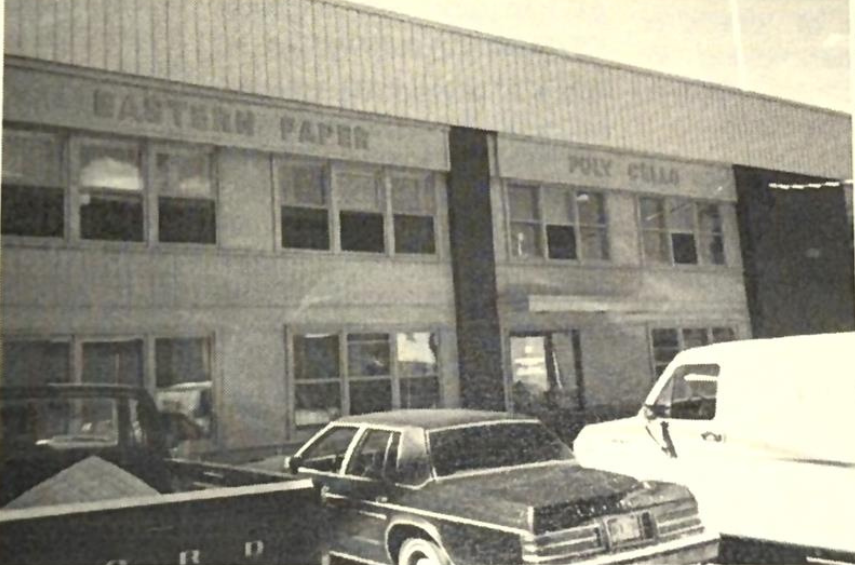
After spending over a year gaining valuable management experience and training new staff to handle the marketing and sales responsibilities for the folding carton business, John felt ready for a new challenge. It was time to shift his focus to Poly Cello—the company that would one day grow and evolve into Emmerson Packaging.
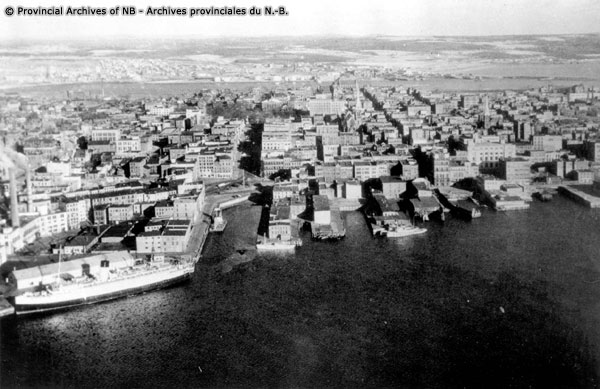
In September 1966, John and his family packed up their lives and returned to his home city of Saint John. John expected a smooth transition. Instead, he walked right into an operational crisis.
The company’s accountant and office manager had recently suffered a heart attack and would not be returning to work. This sudden absence left the front office entirely without an operational manager.
Two capable office clerks worked tirelessly to keep things running. Still, the situation presented John with a massive hurdle. He had to step in immediately to steer a ship that lacked a captain in the front office. However, he also saw this as an incredible opportunity to bring fresh ideas and vital changes to the business.
Laying a Solid Financial Foundation
At that time, Poly Cello operated strictly as a manufacturing unit. The company relied heavily on an affiliated partner for sales development, customer contact, and accounts receivable. On the supply side, things were relatively simple. A trusted supplier provided all of Poly Cello’s polyethylene and cellophane requirements, making vendor activity highly efficient.
While the manufacturing and supply chain were streamlined, John saw an opportunity to strengthen the company’s financial planning. He knew that a business could not survive, let alone grow, without a clear financial roadmap, so he rolled up his sleeves and immediately set to work developing a comprehensive and solid financial budget.
This deep dive into the numbers led to several sweeping changes. John created entirely new machine hour rates to accurately reflect production costs. He also implemented the OOP pricing system. These critical steps laid the groundwork for a much more structured, predictable, and profitable operation.
Finding a Mentor and Building a Sales Team
John’s move to Saint John also introduced a highly influential mentor into his life. Joe Edmonds was a management consultant turned financial controller with a wealth of industry expertise. A bilingual Montrealer, Joe had been hired by Philip Emmerson to implement the very business plans he had developed as a consultant.
While Joe’s primary focus remained elsewhere in the business, he also officially oversaw Poly Cello. During John’s first year, Joe rarely set foot in the manufacturing plant. Despite this physical distance, John made the absolute most of their working relationship. He engaged Joe in deep, insightful discussions, soaking up the older man's vast financial expertise.
Through these talks, John and Joe identified a glaring weakness. Poly Cello desperately needed its own dedicated sales team.
Together, they hired Maurice Maloney as the company’s very first independent salesman. Maurice hit the ground running. He targeted key accounts in the rapidly growing bakery, fishery, and food industries. These sectors were increasingly switching over to poly bags, making them highly lucrative targets.
This aggressive sales move was perfectly timed. Poly Cello needed boots on the ground to secure its market share, and Maurice provided exactly that.
The "Odd Man Out"
By early 1968, the dynamic shifted once again. Joe had completed his major projects with their affiliated partners. Looking for a new challenge, he decided to immerse himself fully in the daily operations of Poly Cello.
There was just one problem. The small business simply could not sustain both Joe and John in top leadership roles.
The two men sat down for a candid, difficult discussion. Joe looked at John and plainly informed him that he was the “odd man out.”
Disappointed but always pragmatic, John did not wait around. He immediately began exploring new career opportunities outside the family business. Thanks to his impressive track record, he was quickly offered a leadership role at another company. It was a highly promising opportunity—one that would have taken him away from Poly Cello entirely.
This sudden development added a massive layer of urgency to the situation. The risk of losing John's talent and operational knowledge became very real.
A Whirlwind Week of Negotiation
Just a month after their difficult conversation, Joe experienced a sudden change of heart.
As he dug deeper into Poly Cello, Joe realized he lacked the in-depth, ground-level knowledge of the operations that John possessed. Swallowing his pride, Joe asked John to stay on as Assistant General Manager.
At the exact same time, Philip Emmerson caught wind of the brewing crisis. He swooped in and offered John a controller position elsewhere within their business network. While John’s CMA training made him perfectly qualified for the role, he knew deep down that accounting was not his true passion. He wanted to lead operations, not balance ledgers.
As John weighed his competing options, Joe made a shocking decision. Recognizing that the business still could not financially support both of their roles, Joe chose to resign.
This unexpected departure left John in an incredibly unique position. He now held all the cards to negotiate his future with the company.
By the end of that whirlwind week, Philip offered John the ultimate role: General Manager of Poly Cello.
John wanted the job, but he refused to accept the old ways of doing things. He accepted the promotion on one strict condition. He demanded full authority over the company, reporting jointly to Philip and the board of directors. He told them bluntly that if they were dissatisfied with his performance, they could fire him.
John embraced this massive challenge. He knew that having the absolute freedom to lead, plan, and execute was the only way to ensure the company’s success. The board agreed to his terms. The agreement was finalized, and Philip officially shifted his focus entirely back to other parts of the family business.
A New Era of Leadership
This pivotal moment solidified John’s leadership and developed the professional dynamic between father and son. For the next eight and a half years, Philip honoured his “hands-off” commitment, giving John the autonomy to grow the business. Their mutual respect forged a strong working relationship, with Philip shifting from a boss to a valued sounding board.
By the end of 1968, Poly Cello stood on the absolute brink of a massive transformation. The hard challenges of the past few years had laid an unbreakable foundation. The bold leadership decisions made during this critical week would shape the company’s trajectory for decades to come.
But as with any great story, the road ahead remained far from predictable. The next chapter brings totally unexpected changes, aggressive moves, and fresh opportunities that further redefine the company’s future. Keep following along as we uncover how these dramatic moments turned Emmerson Packaging into the thriving industry leader we know today!