



By the mid-1950s, the foundation of the company was strong. As we explored in our previous blog, Philip Emmerson, alongside his trusted team of former naval servicemen, had successfully stabilized Eastern Paper Products Limited. They had grit, discipline, and a solid customer base in the Maritimes. But for a visionary like Philip, stability was just the launching pad for something greater.
He saw a shift on the horizon. The industrial world was changing, and he recognized a massive, untapped potential in a burgeoning industry: flexible packaging. Philip set his sights on this new frontier, a move that would transform his company from a regional paper distributor into an industry leader.
A Strategic Venture: The Birth of Poly Cello
Philip didn't just dive in; he sought expertise. He forged a strategic partnership with a manufacturing company based in Winnipeg. This collaboration laid the groundwork for a new venture that would reshape the packaging landscape in Atlantic Canada: Poly Cello Bags Limited.
In 1956, Poly Cello Bags Limited was officially incorporated in New Brunswick. The ownership structure reflected the partnership, with Eastern Paper holding two-thirds of the company and their Winnipeg-based partner holding the remaining third.
However, owning a company was one thing; knowing how to run it was another. The team needed technical know-how. To bridge this gap, three dedicated men—Ralph McFarland, Paul Martin, and Ray Elward—traveled to Winnipeg. Their mission was clear: learn everything possible about flexible film printing and bag making. These three returned to the Maritimes not just with knowledge, but with the skills necessary to launch a new era of manufacturing.
The Early Years of Production
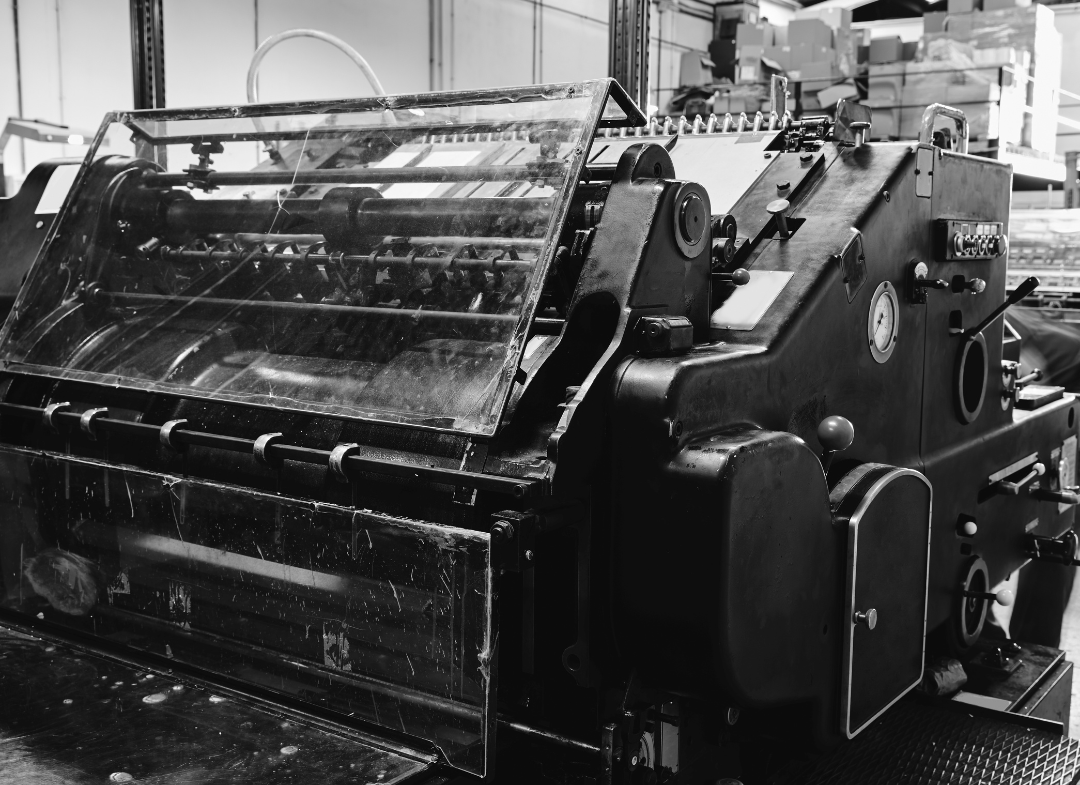
The company’s manufacturing capabilities kicked off in early 1957 with the installation of their first press: a 24-inch four-color Holweig stack press imported from Strasbourg, France.
In these early days, the focus was on printed gusseted bags. These bags, which featured extra material on the sides or bottom to expand capacity, were essential for maximizing utility. The demand was high, and Poly Cello quickly earned a reputation as a reliable local supplier.
Innovation moved fast. By 1960, the company upgraded to a 36-inch four-color Wolverine stack press. This new machinery allowed for wider printing and, crucially, the production of side-weld bags—an innovation that was rapidly becoming the industry standard.
Revolutionizing the 1960s
The 1960s brought a wave of technological advancement to the packaging world, and Poly Cello positioned itself at the forefront. The company embraced the Mark 50, a machine that revolutionized bread packaging by enabling high-speed poly bagging.
Recognizing the immense potential in the bakery sector, Poly Cello invested heavily in capacity, bringing in a 43-inch six-color Heinrick CI press. This strategic move allowed them to supply bakeries across the Maritimes with speed and quality that competitors couldn't match, cementing their status as a leader in flexible packaging.
A Partnership That Changed Everything
During this period of rapid expansion, a prominent Maritime business began packaging frozen food products for retail. As their products gained popularity, they needed a packaging partner who could keep up. Poly Cello was there from the start.
The team worked closely with this client to develop polyethylene packaging tailored specifically to frozen foods. Little did anyone know, this sector was on the cusp of explosive growth. The partnership challenged Poly Cello to continually raise the bar on quality, efficiency, and aesthetics. These challenges didn't just improve the product; they forged a company culture committed to excellence.
Philip and his team realized that by developing this culture in every area of their business, they could become one of the premier printers and providers in the flexible packaging industry.
Laying the Groundwork for a Legacy
These formative years were defined by bold risks, strategic investments, and a refusal to settle for "good enough." Poly Cello was not just building a client list; it was building a legacy. The lessons learned during the 1950s and 60s set the stage for the future success of what we now know as Emmerson Packaging.
This is only the second chapter of our story. Stay tuned for the next installment, where we will explore how the company navigated new challenges, embraced further innovation, and solidified its place in the global market. The journey continues!